PHYSIOTHERAPY FOR NECK PAIN
Physiotherapy for neck pain at Neck Pain STL is a physician-directed program of treatments led by neck decompression, plus home exercises, tests and diet coaching. It is built for whiplash, desk neck, pinched nerves that send pain into the arm, and the headaches and dizziness that start in the neck.
Most neck care swings between two extremes: a photocopied page of stretches, or a needle. Plenty of people need something in between, every week, with someone measuring whether it works. That is what this program is. A physician writes the orders for every treatment, each visit is charted the same way, and the same standard neck questionnaire scores you on day one and at each re-check.
What is the physiotherapy program?
On paper it is called the Physician-Directed Physiotherapy Program: Neuromuscular Modality Re-Education Protocol. In plain words:
- Physician-directed: a medical doctor examines you, orders each treatment and oversees your care from start to finish.
- Physiotherapy: care that helps injured neck and shoulder tissue heal using slow pulling, warmth, cold, light, sound waves, movement and gentle electric pulses.
- Neuromuscular re-education: getting the nerves and muscles of the neck and shoulders working as a team again after an injury or years of strain.
- Modality: the name for each treatment machine or method.
- Protocol: a written plan followed the same way every time, so nothing depends on guesswork.
Who runs it?
The program is overseen by Dr. Gurpreet Singh Padda, MD, MBA, MHP. Your physician does the exam, writes the orders and looks at your neck again at every re-check. At each station a technician follows those orders exactly, and no technician runs a machine alone before being signed off on it.
Our technicians are trained staff, not physical therapists, and they never say otherwise. Diagnosing you, adjusting a setting or adding a treatment is the physician’s job alone.
What happens from your first visit to your last?
Step 1: Forms, once
You complete the new patient paperwork one time. Your details are entered once, so nothing gets copied wrong later.
Step 2: A physician examines you
Your physician examines the neck, shoulders, arms and nerves, and then puts in writing every treatment, its settings and any test or piece of equipment. Those orders are signed into your chart.
Step 3: Your first treatment visit
A brief questionnaire records how much your neck or arm gets in the way of daily life. You are taught your home exercises. Any brace, band or home TENS unit on your orders is fitted and demonstrated.
Step 4: Every visit after that
First we confirm a physician is on site, and we go through the safety questions aloud. After that you rotate through your ordered stations. Plan on about an hour and a half.
Step 5: Tests, when ordered
If your physician orders a nerve test, a dizziness test or another check, we schedule it and keep track of it until the report is in.
Step 6: Re-checks
At planned points you repeat that same questionnaire and your physician examines you again. You then wrap up with a home plan, or carry on under a revised plan.
The number of visits depends on the injury and how quickly you respond. A visit or two is enough for some people. A more serious injury can take 60 visits or more over a span of months. Your physician builds the plan and changes it as your neck heals.
Which treatments are in the program?
Neck decompression is the center of the program for most neck patients. The other stations prepare the neck for it or calm things down after it. Your physician chooses which ones you get and how strong each is, and you can ask to stop any of them at any time. Tap any treatment card to learn how it feels and who should skip it.
You lie back with your head in a padded cradle while a computer-controlled table pulls and releases your neck in slow cycles. It takes pressure off discs and nerves, easing neck pain and the arm pain of a pinched nerve. About 15 to 20 minutes, with a stop switch in your hand.
Learn more →Cold settles a fresh injury or flare. Heat loosens guarding muscles so the next stations go further. About 10 to 15 minutes.
Learn more →You stand on a softly shaking platform while the small muscles that steady your neck learn to fire again. About 10 minutes. Timed one-on-one: a technician remains at your side throughout and records the clock time it begins and ends.
Learn more →A reclining chair stretches the spine in slow cycles and relaxes braced muscles before decompression. About 15 minutes.
Learn more →Light from a handheld laser settles sore neck and shoulder tissue. Goggles on, and never over the eyes or thyroid. About 10 minutes. Timed one-on-one: a technician remains at your side throughout and records the clock time it begins and ends.
Learn more →Sound-wave pulses for a stubborn shoulder tendon or upper back knot, never over the spine. Once a week at most.
Learn more →A mild electrical tingle on the back of the neck and shoulders to turn pain down at the end of the visit. About 15 minutes.
Learn more →On a day with every station, the sequence goes from warming up, to stretching, to the focused treatment, to winding down: heat, vibration, traction chair, decompression, laser or shockwave, and TENS last.
Which tests might your physician order?
An exam alone cannot always explain what is wrong with a neck. Once your physician orders a test, we set up the appointment and keep checking on it at each visit until it is complete.
We also offer the  assessments, covering balance, thinking, movement, circulation, nerves and metabolism:
 VNG dizziness testAn eye-movement test that separates inner-ear dizziness from dizziness driven by the neck.Learn more →
 CognivueA 10-minute screen check of memory and focus, useful when brain fog follows whiplash.Learn more →
 KinetisenseCamera-based 3D scoring of neck turning and tilting, and of how steady you stand.Learn more →



Why does food come up each visit?
Diet and metabolic health coaching
A sore neck sits inside a whole body. Belly fat, high blood sugar and snacking all day keep it inflamed, and that inflammation makes an irritated neck joint or nerve hurt more. Poor sleep and stress add to it. So each visit includes a few minutes on what and when you eat. Your first visit comes with our protocol in writing: a 10-minute walk after you eat, no vegetable oils or sugar, at least 7 hours of sleep, and eating inside a set window.
See the eating protocol step by step →The science behind it is in our article on an anti-inflammatory diet for neck pain.
What is your part between visits?
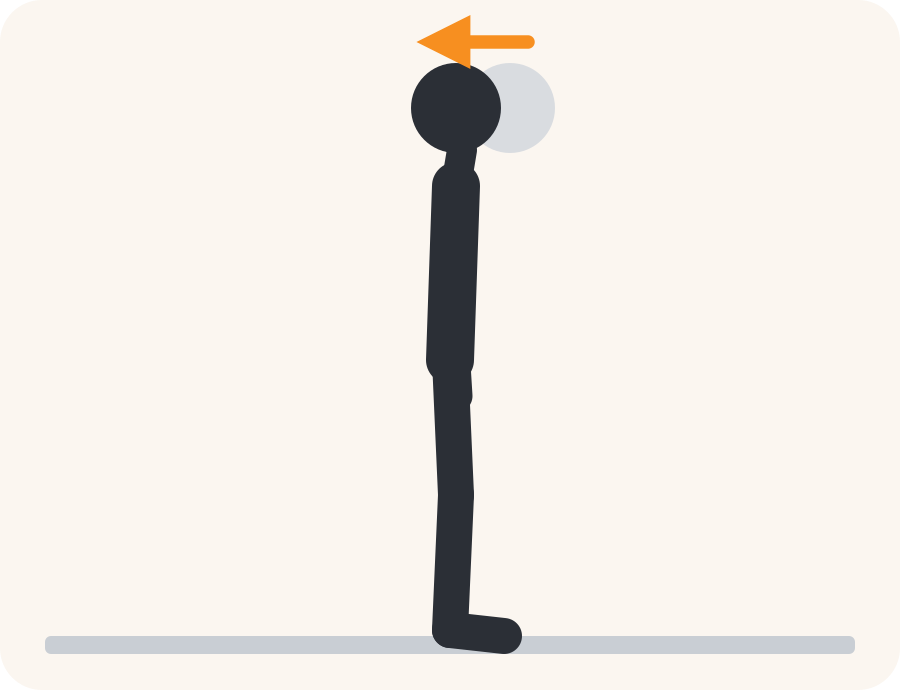
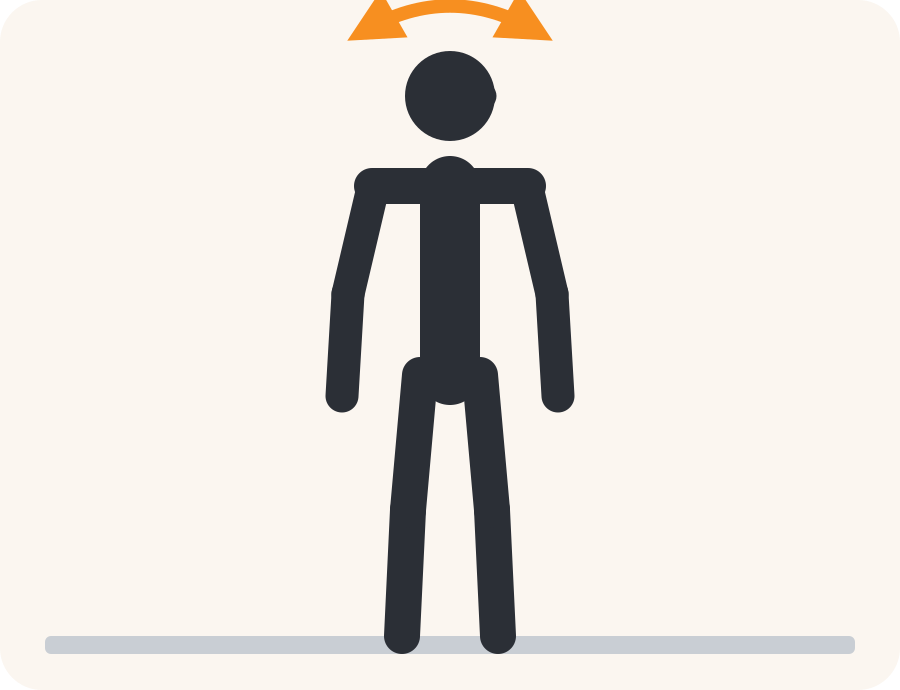
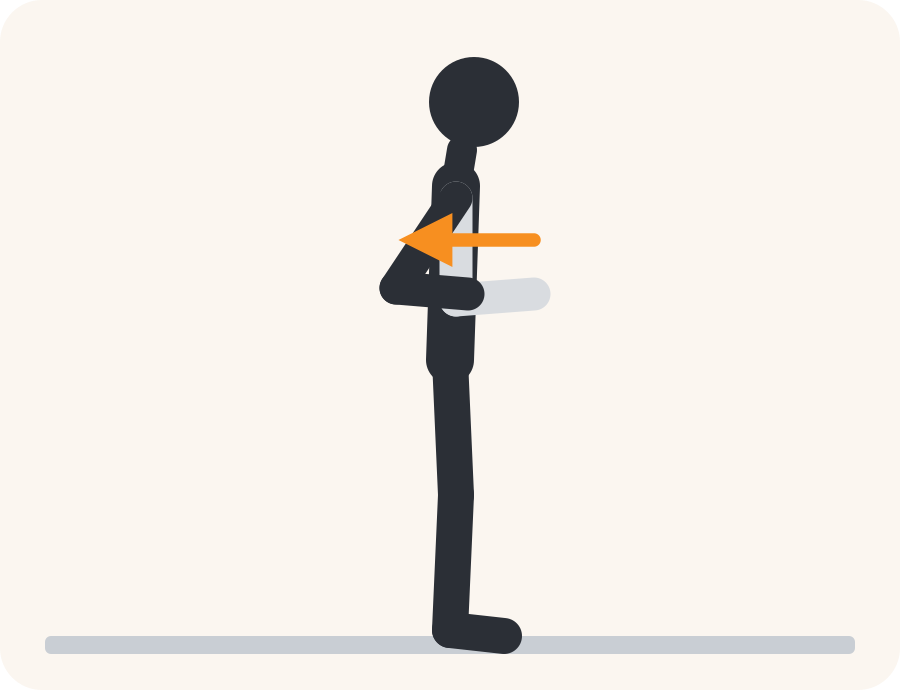
Machines do their part, but the effort you put in between visits counts for more. Day one, you are taught the exercises your physician picked for you, to be done twice daily. Your log comes with you each visit so your technician can tally your days and watch your technique. Tap any exercise below for its drawing, step-by-step directions, the usual errors and the warning signs.
For the neck

For the shoulder and upper back
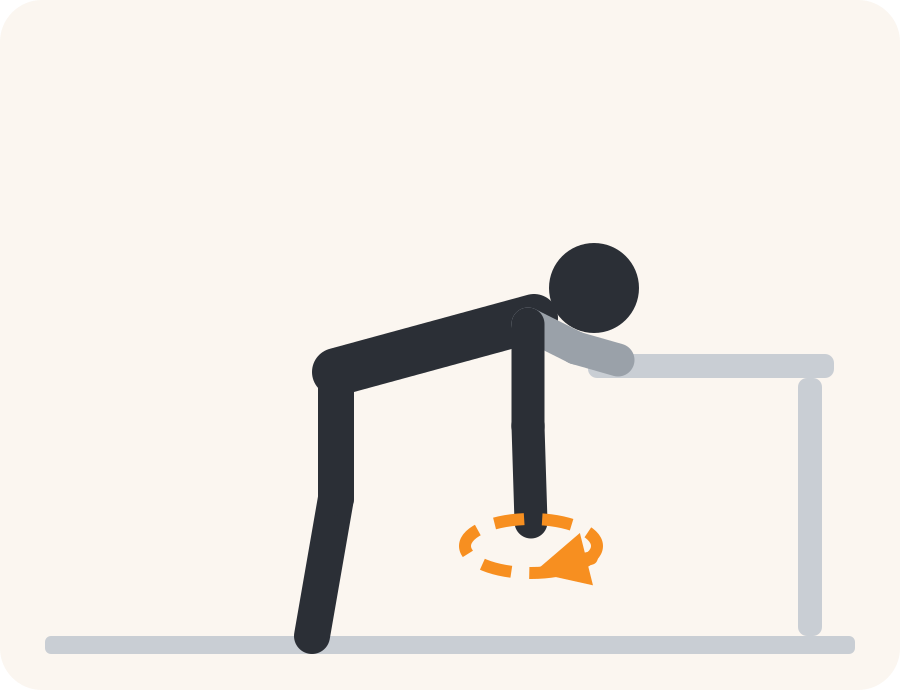
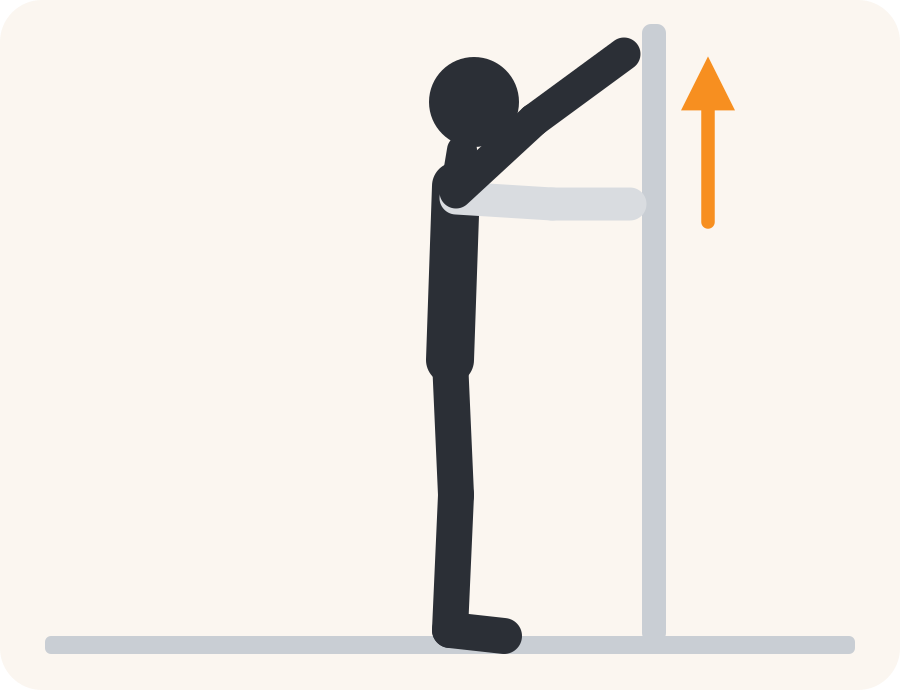

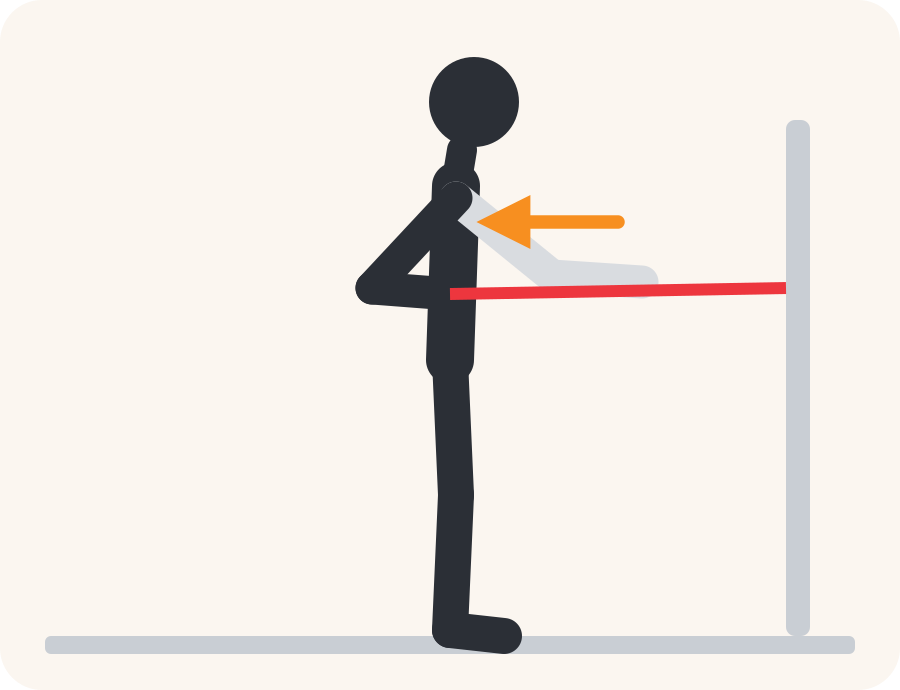
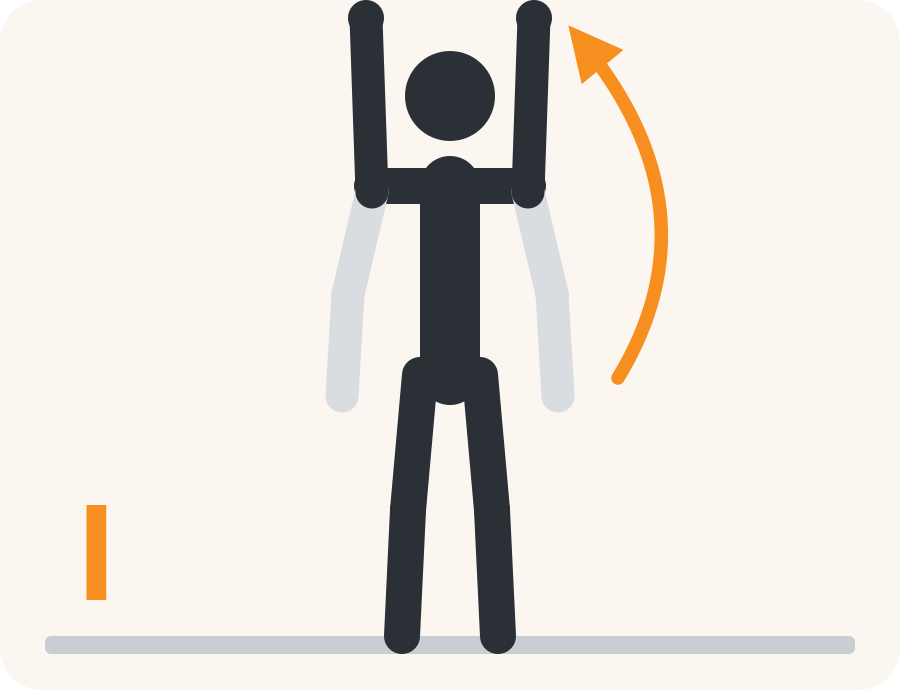


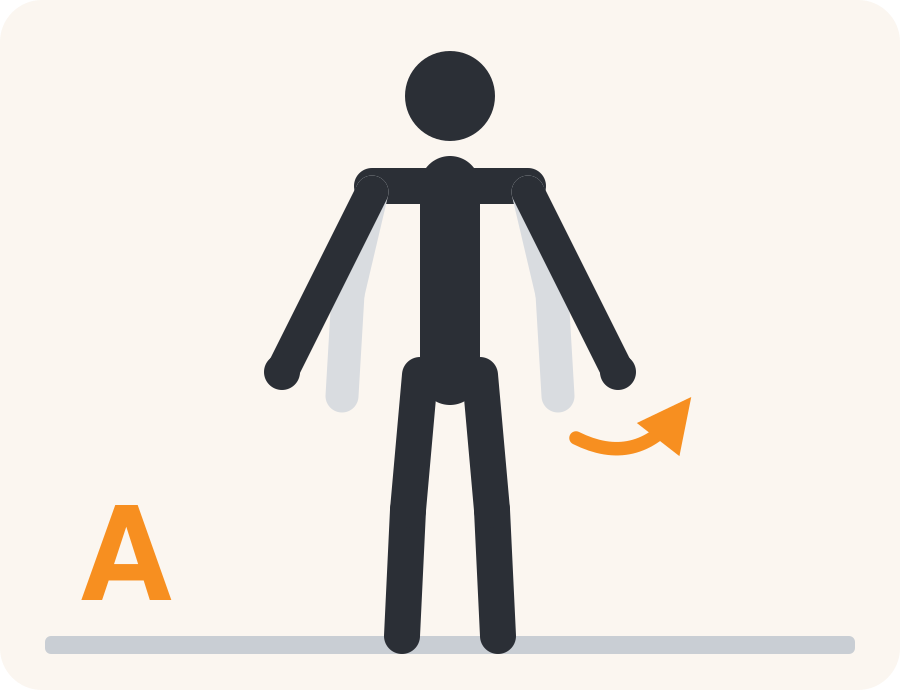
The I, Y, T and A raises are a set, done in that order, and every one of them can be done sitting in a firm chair or standing. For the reasoning behind gentle endurance work over hard stretching, read neck exercises that help, and the ones that make it worse.
Anything your physician orders for home is fitted, demonstrated and sent home with written directions. Your signature on receipt is the one record of each item.
For flares at work or at night, with pads that stay off the front of the neck.
Learn more →Light resistance for the band row and the rotator cuff work, latex-free if you need it.
Learn more →How is progress measured?
Pain scores bounce around from one day to the next, so we also track what you can actually do. On day one and at every re-check you complete a short, widely used questionnaire by yourself, so the answers are yours alone.
Neck: Neck Disability Index
Ten questions on how your neck affects reading, driving, sleep, work, headaches and concentration.
Shoulder, arm or hand: QuickDASH
Eleven questions on everyday tasks like opening a jar, carrying a bag or washing your back.
For each questionnaire, research has set how many points of change are meaningful. Fall short of that and your physician revises the plan and documents the reason, so you do not spend weeks on something that is not helping. How long a typical neck takes to settle is covered in how long neck pain should take.
What happens at each re-check?
You repeat the questionnaire and your physician re-examines you. From there, one of two things happens:
- You are finished. You go home with your closing scores and a routine to keep up on your own.
- You need more time. Your physician documents the reason to continue and what is changing, then books the next re-check. Doing the same thing again is never, by itself, a reason to continue.
When you stop getting better, your physician may raise other options we offer, like a medial branch block to check a worn neck joint, an epidural steroid injection for pain that runs down the arm, or an occipital nerve block for headaches that start in the neck.
What people ask about physiotherapy for neck pain
Is this the same as physical therapy?
No. A physical therapist is a licensed professional of a different kind. This program is ordered and overseen by a physician and carried out by trained technicians, and it sits alongside the rest of your neck care here. What the first visit looks like.
Can physiotherapy help after whiplash?
Yes, it is one of the main reasons people start. Decompression, vibration and the deep neck exercises target the guarding and weak stabilizing muscles that keep a whiplash neck sore, and the VNG and Cognivue tests check the dizziness and brain fog that can come with it. More on whiplash.
Will it help headaches that start in my neck?
Often. When the headache is driven by tight, irritated structures at the top of the neck, loosening and strengthening that area helps. Your physician first confirms the headache really is coming from the neck. How neck-driven headaches are diagnosed.
Do I need a referral?
You do not. Call (314) 886-5892 or book online. Bring any scans or reports you already have. If you were hurt in a car accident, start here.
Does any of it hurt?
For most people it is warmth, a pulling stretch or a tingle. Shockwave can sting for a few seconds. Say so the moment anything hurts and the treatment stops. What our procedures feel like.
Where is Neck Pain STL located?
Neck Pain STL is next to DePaul Hospital, west of the airport, near where I-270 meets I-70: 12174 Natural Bridge Rd, Suite 302, St. Louis, MO 63044. Call (314) 886-5892 or text (314) 886-5902, Monday through Friday. Directions and contact details.
Start with a physician exam
The first visit is an examination, not a treatment session. By the end you know the cause of your neck pain and which pieces of the program suit you.
12174 Natural Bridge Rd, Suite 302
St. Louis, MO 63044
Next to DePaul Hospital, just off the 270 and 70 junction, west of the airport.
Sources
- Vernon H, Mior S. The Neck Disability Index: a study of reliability and validity. J Manipulative Physiol Ther. 1991;14(7):409-415. PMID 1834753. pubmed.ncbi.nlm.nih.gov/1834753
- Beaton DE, Wright JG, Katz JN, et al. Development of the QuickDASH: comparison of three item-reduction approaches. J Bone Joint Surg Am. 2005;87(5):1038-1046. PMID 15866967. pubmed.ncbi.nlm.nih.gov/15866967